Group Leaders
CPDSE's group leaders anchor the research agenda — spanning computational pharmacology, solid-state science, pharmacovigilance, and science education.

Specializes in Data Science for Drug Design. His work bridges structural bioinformatics and cheminformatics, focusing on AI/ML applications for kinases and the development of open-science tools like the KLIFS database.
Research Profile ↗
Focuses on drug-related data science and pharmacogenomics. He integrates large-scale biomedical data — from genomics to clinical biobanks — to understand how genetic variability influences drug responses and personalized medicine.
Hauser Group ↗
A leader in crystallography and structural chemistry. He applies deep learning and advanced algorithms to solve the phase problem in X-ray and electron diffraction, focusing on polymorphism and crystal stability in pharmaceuticals.
Research Profile ↗
Works in pharmacoepidemiology at the Dept. of Public Health. He specializes in analyzing registry data on drug use patterns and effects, investigating both known and unknown effects of pharmaceutical treatments with a focus on rational drug use and deprescribing.
Pharmacoepidemiology Research Group ↗A powerhouse in Computational Receptor Biology and GPCR research. He leads the development of world-renowned databases like GPCRdb and applies big data science to uncover new drug targets and receptor signaling mechanisms.
Gloriam Group ↗A specialist from the Dept. of Science Education. He researches the didactics of the laboratory, focusing on how students engage with scientific inquiry and the epistemic emotions — like curiosity and doubt — that drive learning in STEM environments.
Staff Profile ↗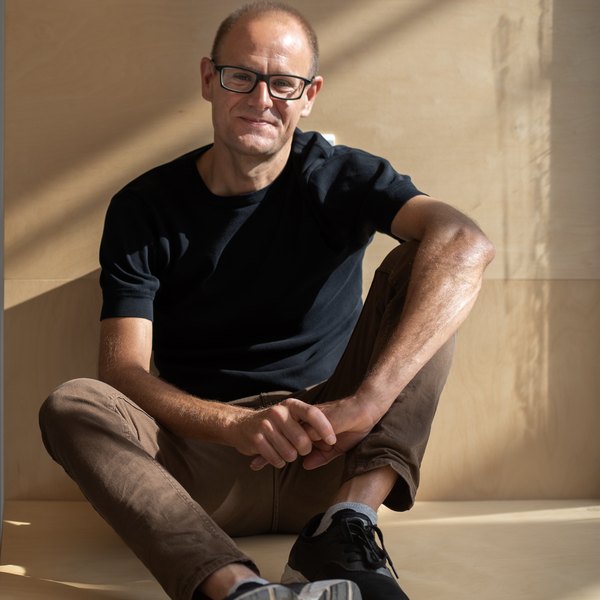
Works in Theoretical and Computational Chemistry. His research focuses on computational methods for studying molecular properties, particularly photon absorption phenomena and excited electronic states using density functional theory approaches.
Research Profile ↗
Works in Pharmaceutical Informatics. She utilizes mathematical modeling and Quantitative Systems Pharmacology (QSP) to bridge biological mechanisms with clinical outcomes, particularly for metabolic and cardiovascular diseases.
Knöchel Group ↗Specializes in the development and characterization of lipid-based nanoparticulate drug delivery systems. Her work focuses on supercooled smectic nanoparticles and liposomal formulations, exploring how colloidal systems interact with biological membranes and their applications in pharmaceutical delivery.
Research Profile ↗
Specialist in the materials science of pharmaceutical solids. He uses advanced low-frequency Raman spectroscopy combined with multivariate chemometrics and machine learning to probe the mechanical and structural properties of complex drug delivery systems.
Staff Profile ↗Head of the Pharmacovigilance Research Center, working in Pharmacovigilance. His research utilizes big healthcare data and real-world evidence from national registers to monitor drug safety and adopt AI/ML for signal detection in large populations.
Pharmacovigilance Research Center ↗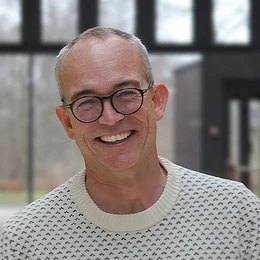
Professor and leader of CPDSE. He works on RNA therapeutics and Pharma Strategy, drawing on a background in drug discovery and bioinformatics to shape the center's strategy and organizational growth.
Personal Website ↗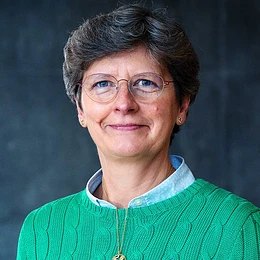
Leader of the Pharmacometrics Group. She focuses on population PK/PD modeling and simulations to optimize dosing regimens, utilizing mathematical tools to understand variability in drug response across various therapeutic areas.
Pharmacometrics Research Group ↗